Medical needs
| Medical eldercare providers can assist with a broad range of medical needs. These include: |
- Dementia and Alzheimer’s care
- Dialysis support
- Post-operative and post-fall recovery
- COPD
- Acquired brain injury (such as from a stroke)
- Traumatic brain injury (such as from an injury)
- Diabetes management
- Parkinson’s disease and multiple sclerosis (MS)
- Weight, blood sugar, and cholesterol control
- Cardiac and chronic illness support
- Medication management and monitoring
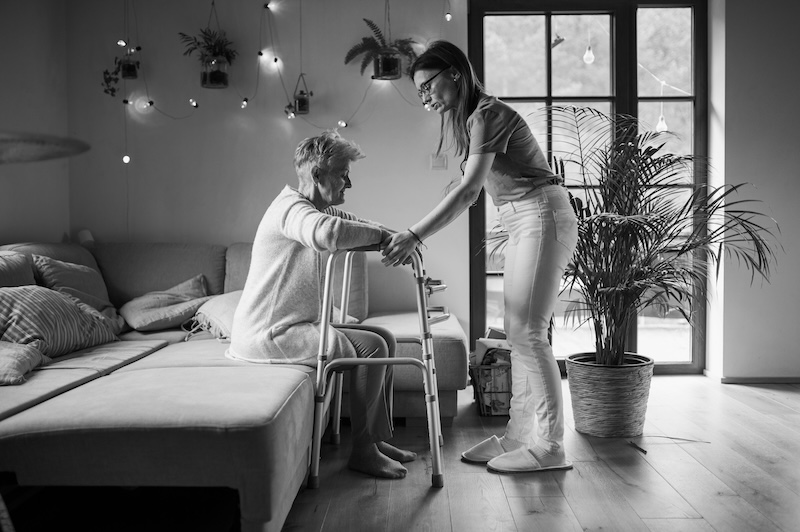
- Mobility issues including the use of lifts and hoists
- Hospice and palliative care
|
Physical needs
| Depending on the intensity and complexity of your elderly loved one’s physical needs, this area of care may be covered by either a medical eldercare giver, or a companion carer. It includes: |
- Help with basic mobility, such as moving around the home
- Support with bathing, personal hygiene, and dressing
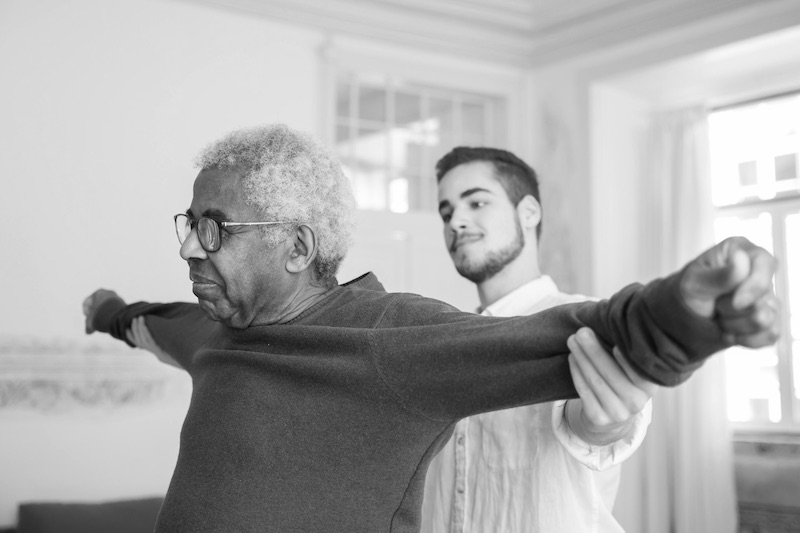
- Assistance with physiotherapy exercises
- Assistance with exercise routines and staying active
- Monitoring and ensuring appropriate hydration and nutrition
- Running errands and grocery shopping
- Accompanying your loved one to their doctor’s appointments and relaying any appropriate information to the family and caregiving team
|

Safety needs
| Companion caregivers will be able to manage the physical and emotional safety needs of your elderly loved one. These include: |
- Notifying family and managing contractors to install appropriate measures, such as stair guards, additional out of reach locks on doors, and ensuring safe storage of hazardous material
- Guarding against wandering, including ensuring elderly clients are not able to freely leave the property
- Trip and fall prevention by ensuring walkways in the home are clear and appropriate footwear is worn
- Noting potential safety hazards, such as open staircases, easily accessible medicine, or cleaning chemicals.
- Managing response to malicious or spam mail, emails, texts, or calls
|
Emotional and social needs
| The presence of medical caregivers working with empathy and warmth can help ease feelings of loneliness and social isolation. However, your elderly loved one may also benefit from a companion caregiver to meet the full spectrum of their emotional and social needs. These include: |
- Helping with loneliness and social isolation through their presence, empathy, and conversation. A companion caregiver can also encourage and support their elder client in engaging with others and with their local area and community, from meeting friends in a nearby park, taking a stroll in the sunshine, or chatting with the server in the neighborhood café. Depending on the needs and inclinations of your elderly loved one, this may even include helping them host small dinner parties for family and friends and taking them to museums or the theater.
- Cognitive stimulation such as conversation, doing puzzles, discussing current events or what happened in the latest episode of their favorite TV show
- Offering reassurance,
- Helping with routine
- Providing emotional support during periods of change or reduced independence
|

Additional needs
| Companion caregivers often take on duties in the home to ease the burden on your elderly loved one and to ensure the home runs smoothly. This includes: |
- PA duties, such as booking taxis or private cars and making appointments for hairdressers or dentists
- Housekeeping and laundry
- Wardrobe management
- Personal shopping – sourcing needed items or even luxury goods such as their favorite duck egg blue shirt from a beloved Savile Row tailor
- Menu planning and cooking meals to their elderly client’s taste and preferences, while staying aligned with any medical or physical needs, such as cholesterol management
- Organizing and decluttering living spaces
- Making lists of any faults or work needed in the home
- Organizing and managing contractors
- Managing household bills
|
FAQ
How can I know which type of in-home caregiver to hire?
Eldercare will look different for every person. The right caregiver depends on your loved one’s individual needs. Options range from companion care to more advanced medical support. For example, a companion caregiver can run errands, provide companionship, or accompany your loved one to appointments, while a Home Health Aide (HHA) can offer more hands-on support, such as bathing, help with eating, and monitoring vital signs. More complex needs may require a Registered Nurse (RN) or a coordinated team providing 24-hour care.
Visit this section to explore the different in-home caregiver options, or get in touch with our team to help determine the most appropriate level of care for your loved one.
What are some signs that my loved one may need (more) support at home?
Changes in mobility, personal hygiene, nutrition, memory, household upkeep, social engagement, or general safety can all indicate that additional support may be helpful. Needs can emerge gradually, so paying attention to changes in everyday routines is important.
What do I do if my loved one’s care needs change?
If your loved one’s needs have changed, then the type and structure of their care may need to change to ensure they continue to receive the right support. BAHS can talk you through your options.
When is it time to seek additional support for someone with dementia?
Difficulty with everyday activities, increased confusion or agitation, wandering, falls, missed medications, or other safety concerns may indicate that additional support is needed. For more guidance, visit this blog post.