What in-home eldercare means today
In-home eldercare has changed profoundly in recent years, and for the better. It has evolved beyond solely addressing clients’ medical and basic day-to-day needs, such as washing and dressing.
Modern in-home eldercare is holistic, highly personalized, and encompasses everything needed to meet the medical, physical, cognitive, emotional, and lifestyle needs of your loved one, while also keeping their home running smoothly and even caring for their pets.
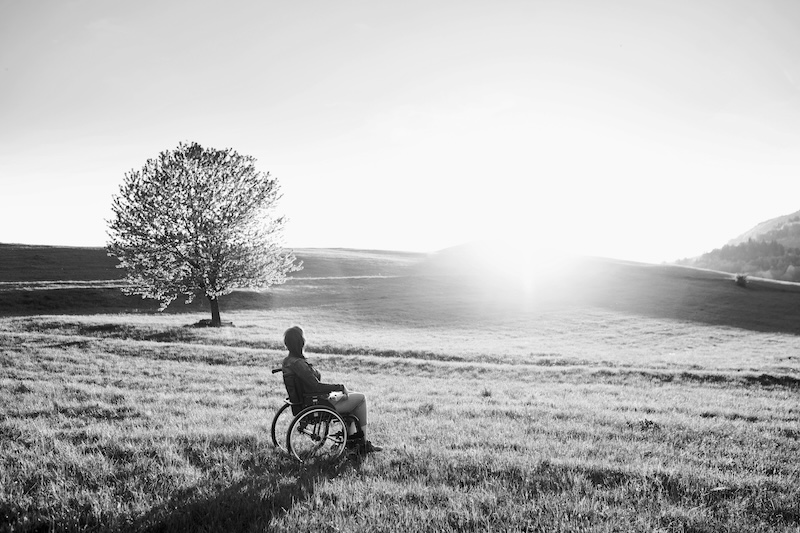
Aging in place and the desire for independence with professional support
While nursing homes and assisted living facilities have long been the traditional option for eldercare, many individuals today express a strong desire to age in place, remaining in the comfort of their own homes for as long as possible. The desire to age in place, in a home full of memories, to maintain ties to local areas, communities, and friends, to keep up with hobbies and habits– from tending a garden to going for a morning croissant at the local bakery– is a very natural and human one. The right care can make this possible.
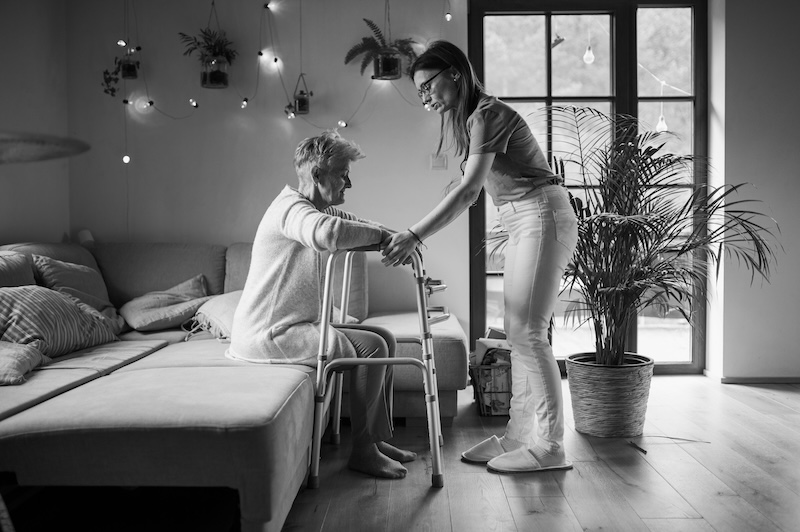
Modern individualized professional in-home eldercare can enrich and enhance the life of your elderly loved one, allowing them to live safely in their own home, thrive with dignity and independence, and continue to be themselves. For family and friends, it provides essential respite and peace of mind.

The growing need for in-home support
The growing preference for aging in place comes at a time of significant demographic change. Advances in healthcare, increased longevity, and the aging of the ‘Baby Boomer’ generation have significantly impacted global demographics. Since the 1950s, the percentage of the U.S. population aged 65 or older has more than doubled, rising from 8.1% to around 18%. By 2050, people aged 65 and over are projected to make up around 23% of the American population.
This significant demographic shift has meant many more families are seeking care for their elderly loved ones. These families may also find themselves ‘sandwiched’ between raising young children and caring for elderly family members, leading to additional pressures and increasing the need for respite and support.
Nursing homes and assisted living facilities continue to be an excellent fit for many individuals, offering around-the-clock support, medical care, and opportunities for social engagement. However, according to AARP’s 2024 Home and Community Preferences Survey, 75% of older adults wish to remain in their current homes as they age. For families seeking to support this wish, in-home care can allow loved ones to remain closely connected to their routines, homes, and communities. British American Household Staffing (BAHS) can assist families in finding thoughtful, highly personalized in-home support that aligns with their needs and lifestyle.
If you are unsure about which type of eldercare is best for your loved one, visit this section for a full overview of the eldercare landscape. There, you’ll find a clear breakdown on how private home care compares to facility-based options, along with guidance on choosing the right setting for your loved one.
Technology’s role in supporting in-home eldercare
Advances in technology have made aging in place safer and more accessible than ever before. By monitoring vital signs such as blood pressure, blood oxygen, and heart rate, non-invasive wearables can preemptively notify caregivers of potential health concerns. Trip and fall detectors can alert them to any emergency; motion sensors and GPS trackers can help prevent wandering by flagging when a client has moved outside of a preset area, such as the home or garden; and smart plugs and monitors can indicate when a routine, such as turning on a bedside lamp or opening the fridge door in the morning, has changed. Technology not only supports caregivers and alerts them to potential issues but can also provide daily updates to family members for peace of mind.

Emotional decision
The decisions surrounding how and where to care for elderly loved ones can be complex and emotional. We spoke to our BAHS team, many of whom have had to navigate this while also working, parenting little ones, and ensuring self-care. The overwhelming feeling was the sense of responsibility in making the ‘right’ choice for elderly loved ones and the stress this caused.
Martha Keith-Barnett from the BAHS UK team spoke about her elderly Great Uncle in Ireland and how, after finally securing him a place in a care home with good staff, a sea-view room, and a full activities schedule, her family had a change of heart. Martha said,
“We regrouped and reconsidered. We spoke about him and to him. Ultimately, it was an emotional decision. Even though we knew he would be safe and cared for in the home, we decided he would stay in his apartment, and we would arrange for daily in-home care. I have to say, he was so pleased when we put it to him. We are now looking for the right personality match for a daily carer – someone who can care for him with professionalism, humour, and warmth – and is happy to watch back-to-back episodes of Top Gear!”
At BAHS, we understand that choosing care for elderly loved ones can feel overwhelming. We are here to talk you through your options, help you assess needs, and work with you to find the care solution that is right for your family. Get in touch.
FAQ
What is in-home eldercare?
In-home care is professional support provided to an elderly person in their own home. It can range from companionship and help with daily tasks to full medical care, depending on the individual’s needs. Learn more about the different types of in-home eldercare options here.
What does aging in place mean?
Aging in place refers to the choice to remain in one’s own home as one gets older, rather than moving to a care facility. With the right professional support in place, many elderly individuals can do so safely and comfortably.
Why are more families choosing in-home eldercare?
Many families are choosing in-home eldercare because it offers a more personalized and flexible approach to support. According to AARP’s 2024 Home and Community Preferences Survey, 75% of adults aged 50 and older wish to remain in their current homes as they age and 73% hope to stay in their communities. In-home care can help make this possible while also providing reassurance and respite for family members.