Once you have a sense of the type of care your loved one needs, the next step is knowing what to look for in the person who will provide it. From relevant experience and strong references to communication style and personality, this section covers the qualities that distinguish a truly exceptional caregiver from one that just looks good on paper.
Relevant experience
When seeking a caregiver for your loved one, the first thing you’ll likely look for on potential candidates’ resumes is relevant experience. How many families have they worked for? For how long? What was the reason for leaving each role? Do they have experience with patients similar to your loved one? Longevity in roles is typically a positive sign for all types of domestic staff, but isn’t always possible for caregivers who are often brought on during hospice or end-of-life care, so be sure to consider the whole picture when reviewing the candidate’s experience. Many candidates will have specialized knowledge of dementia, Alzheimer’s disease, wound care, or other types of care.
BAHS only works with candidates with a minimum of 5 years of experience in their field and screens candidates to be sure their experience is relevant. Certifications are verified, and BAHS will establish what type of medical care candidates have experience with and are comfortable providing. We will also screen for other relevant experience, skills, and qualifications, such as a valid driver’s license, a second language, or the ability to travel.
Professionalism and discretion
As an agency, we look for caregiver professionals who are warm and caring but can still maintain professional boundaries. This is especially important in eldercare where caregivers are often present during vulnerable moments and times of heightened emotion for the whole family. Candidates must also understand how to advise on best practices for medical care and hygiene without overstepping or overriding the family’s wishes. During interviews, BAHS pays particular attention to how candidates speak about past employers – this is often a good way to gauge their ability to share relevant information while being discreet.
Communication skills
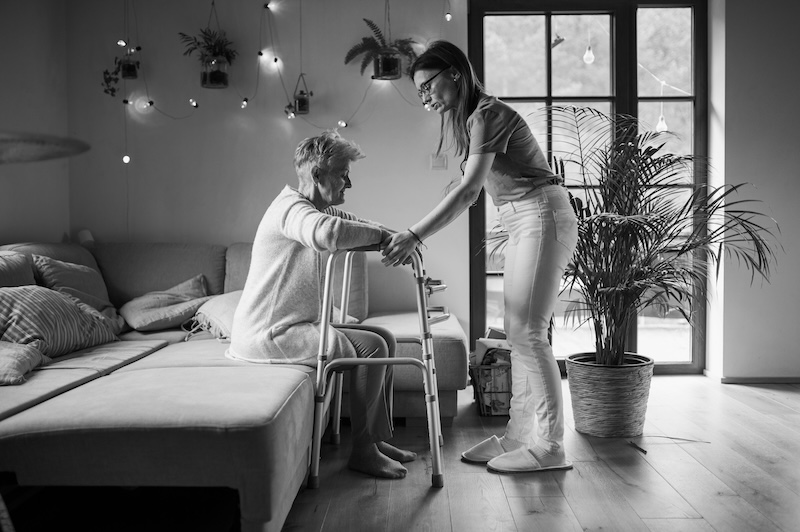
The best candidates can communicate effectively with the person in their care, and on their behalf. Good caregivers remain patient and calm under stress, and can give detailed summaries of eating, drinking, and general health to loved ones and fellow caregivers as needed. Caregivers often come into a situation during a time of illness or injury when emotions are heightened; effective communicators can navigate these tricky situations with professionalism and grace. Some seniors require multiple caregivers; it’s important that each member of the team knows how to share clearly and accurately what occurred during their shift to set their colleagues up for success.
Reliability and flexibility
Eldercare workers must be reliable. When taking references and considering candidates during the interview process, BAHS ensures there are no red flags suggesting unreliability. We check with previous employers that candidates have been punctual, with minimal absences, and that they have, within reason, been flexible to stay late or come early as needed to ensure continuous care — we know that emergencies arise. The best caregivers will be flexible whenever possible, and consistently professional and supportive even when they can’t accommodate a request.
For individuals who do not yet require intensive medical care, caregivers can assist with light housekeeping, meal preparation, and other day-to-day household tasks. In companion care settings, this can help create a more natural and comfortable dynamic, allowing your loved one to feel genuinely supported without feeling overly observed or monitored throughout the day.
Personality and caregiving style
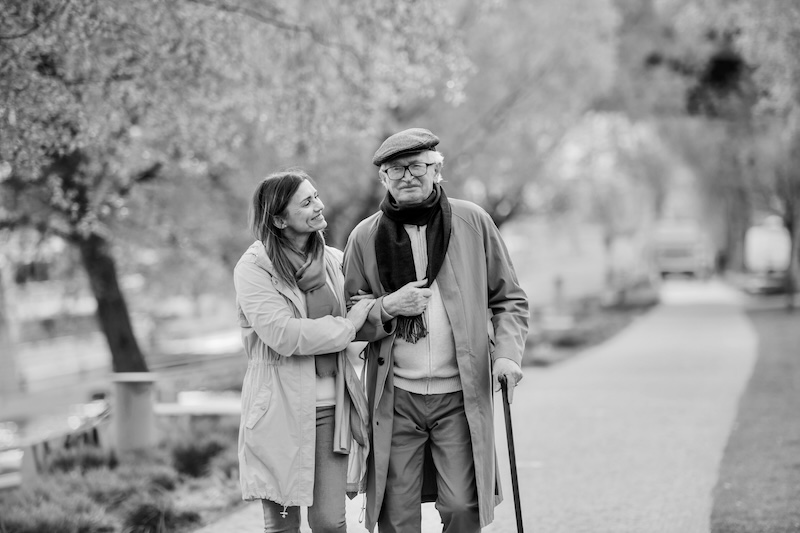
Personality fit and chemistry are incredibly important. We work with caregivers who are compassionate, warm, highly capable, and eager to support patients’ desire to remain independent when it is safe to do so. Many people struggling with dementia, Alzheimer’s disease, and other illnesses experience periods of irritability or aggression; it’s critical that caregivers understand this and know to respond professionally.
Strong references
BAHS speaks to at least three of each candidate’s references, verifying the details on their resume and digging deeper into how they performed in the role, their attitude, their strengths and weaknesses. We can provide these verbal references to families interested in hiring them. Typically, a reference for a caregiver or companion will come from family members who oversaw the patient’s care. Hearing how they speak about the caregiver can be very helpful in deciding if someone is a good match for your family, both in terms of experience and in temperament. Working with an agency is particularly helpful during this part of the process as recruiters are trained to spot red flags and inconsistencies.
BAHS thoroughly checks each candidate’s references, starting with the most recent positions first and looking at a full 10 years of work history to get a true picture of how someone has performed over time. Unless the caregiver has specialized in temporary roles or emergency cover, we focus on references from roles with longevity, not just a few short back-to-back jobs.